Exploring the Future of Lubrication Technologies in Renewable Energy
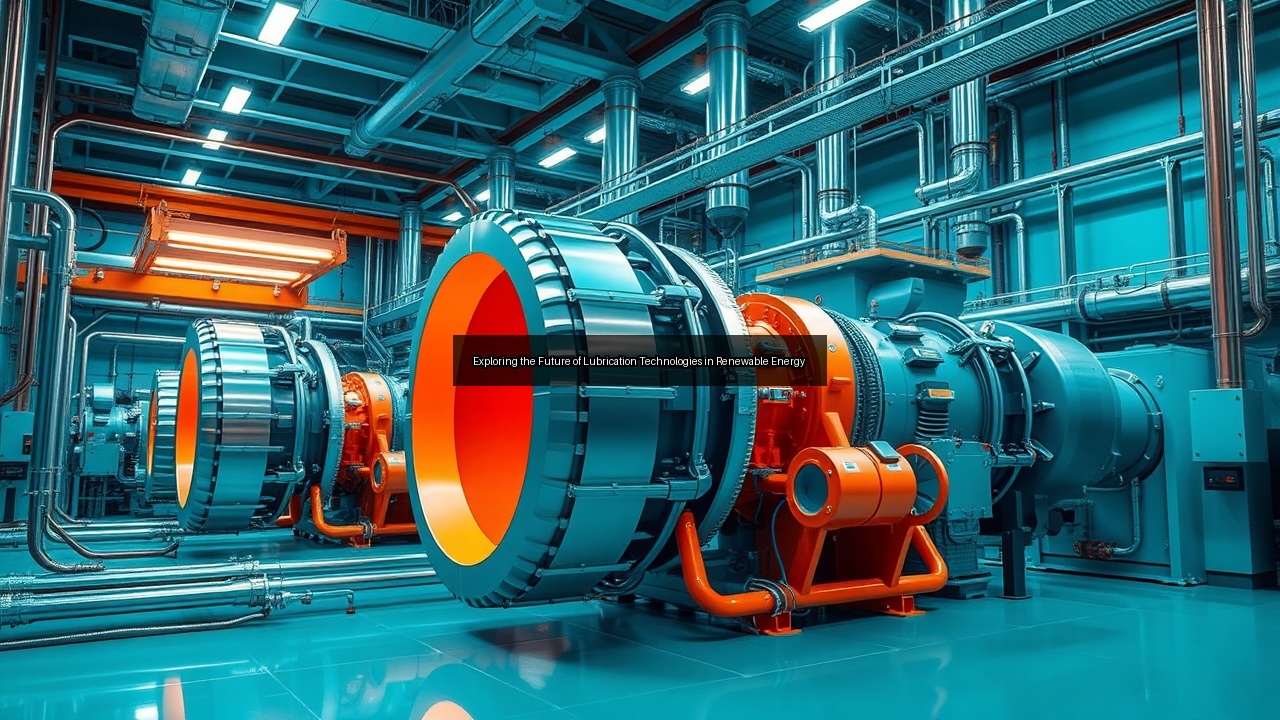
The Importance of Lubrication in Power Generation
Role of Lubricants in Power Plants
Power generation lubrication keeps turbines, generators, and auxiliary equipment running smoothly across power plants. Operators apply specialized lubricants to reduce friction in bearings and gearboxes that convert mechanical energy into electricity. In hydroelectric facilities these fluids protect against water ingress while maintaining film strength under constant load. Gas turbines demand high-temperature stability to prevent wear during peak operation. Nuclear energy plants rely on radiation-resistant formulations that preserve component integrity over extended cycles. Effective power generation lubrication directly supports continuous output and prevents unexpected failures that disrupt supply. Facilities track lubricant performance through regular sampling to confirm viscosity and additive levels remain optimal for each application.
Impact of Cleanliness on Uptime
Cleanliness determines uptime in power generation lubrication systems. Contaminants such as dirt, water, and wear particles accelerate component degradation and force unplanned shutdowns. Plants that maintain ISO cleanliness codes below target thresholds experience fewer bearing replacements and extended service intervals. Filtration Royal Purple Industrial lubrication system units and sealed reservoirs protect oils from external ingress during routine maintenance. Regular flushing removes varnish precursors before they deposit on servo valves or heat exchangers. Facilities that prioritize lubricant cleanliness report measurable gains in reliability and reduced maintenance costs. Monitoring particle counts allows teams to schedule interventions before contamination reaches critical levels that threaten generation capacity.
Types of Lubrication Systems in Different Environments
Lubrication systems adapt to the unique demands of each power generation environment. Circulating oil systems deliver cooled and filtered lubricant to large hydroelectric turbines operating in humid coastal regions. Grease guns apply high-load greases to wind turbine pitch bearings exposed to temperature swings and salt air. Splash lubrication suits smaller gas engines in remote mining support stations where simplicity outweighs complexity. Oil mist systems protect high-speed generators in nuclear energy plants by providing continuous thin-film coverage without excess volume. Each configuration balances flow rates, filtration, and temperature control to match the operating conditions of turbines and auxiliary machinery. Proper selection ensures consistent protection regardless of location or duty cycle.
Advancements in Lubrication Technologies
Innovations in Turbine Oils for Wind and Hydroelectric Power
Modern turbine oils deliver longer service life and better water separation for wind and hydroelectric power applications. Synthetic base stocks resist oxidation at elevated temperatures while maintaining low pour points for cold starts in northern hydroelectric stations. Additives enhance load-carrying capacity for the variable torque experienced by wind turbines. Manufacturers formulate these oils to minimize foam and air entrainment that can impair lubrication in high-speed gearboxes. Field trials demonstrate extended drain intervals that reduce waste oil volumes and associated disposal expenses. Compatibility with existing seals and paints simplifies retrofits in operating facilities. These advancements strengthen overall power generation lubrication strategies by lowering total cost of ownership.
Smart Lubrication Systems and Condition Monitoring
Smart lubrication systems integrate sensors that track viscosity, temperature, and moisture in real time across power generation assets. Online condition monitoring platforms alert operators when lubricant properties drift outside acceptable ranges, enabling proactive adjustments before damage occurs. Wireless transmitters mounted on wind turbines transmit data to central dashboards for fleet-wide analysis. Hydroelectric power plants use similar technology to verify oil cleanliness after filter changes. Predictive algorithms correlate lubricant data with vibration readings to forecast bearing wear. This approach reduces reliance on manual sampling and improves decision-making for maintenance teams. Adoption of smart systems elevates reliability standards throughout the power generation sector.
The Future of Greases and Oils in Power Generation
Next-generation greases and oils incorporate nano-additives and bio-based stocks that improve film strength while meeting environmental regulations. Wind operators test lithium-complex greases fortified with solid lubricants for main shaft bearings that experience oscillating loads. Hydroelectric facilities evaluate environmentally acceptable lubricants that maintain performance during flood events. Gas turbines benefit from low-volatility oils that resist coking at combustion temperatures. Research continues on self-healing formulations that repair minor surface damage during operation. These developments expand options for power generation lubrication while supporting sustainability goals across diverse energy sources.
Challenges in Lubrication for Renewable Energy
Addressing Downtime and Maintenance Costs
Downtime remains a primary concern in renewable power generation lubrication programs. Wind turbines located in remote areas require specialized crews and equipment that inflate maintenance costs when lubricant changes become necessary. Hydroelectric plants schedule outages around water flow demands, limiting windows for reservoir draining and bearing inspections. Condition monitoring helps prioritize interventions, yet unexpected varnish formation or water contamination can still force extended shutdowns. Operators mitigate expenses by stocking critical lubricants and training on-site personnel in basic sampling procedures. Strategic planning around seasonal load patterns further reduces the financial impact of lubrication-related interruptions.
Varnish Issues in Gas and Nuclear Energy Plants
Varnish deposits challenge lubrication systems in gas and nuclear energy plants by restricting oil flow through narrow clearances. High operating temperatures oxidize turbine oils and form insoluble films on valve spools and journal surfaces. Nuclear facilities face additional constraints from radiation that accelerates fluid breakdown. Routine laboratory analysis detects early varnish potential through membrane patch colorimetry and ultracentrifuge testing. Electrostatic filtration and antioxidant replenishment programs restore fluid performance without full replacement. Addressing varnish maintains servo response times and prevents trips that reduce generation output. Consistent management protects uptime in these high-value assets.
Expertise Required for Effective Lubricant Management
Effective lubricant management demands specialized expertise across power generation operations. Engineers must interpret oil analysis reports, select appropriate products for each turbine type, and design filtration strategies suited to local contamination risks. Training programs cover sampling techniques, storage best practices, and compatibility checks between different lubricant families. Hydroelectric power plant teams coordinate with OEM representatives to validate formulations against warranty requirements. Wind farm technicians learn proper grease gun techniques to avoid over-pressurization of seals. Facilities that invest in ongoing education achieve lower failure rates and more predictable maintenance budgets. Knowledge transfer ensures lubrication programs evolve alongside equipment upgrades.
Case Studies: Successful Applications of Advanced Lubrication
Hydroelectric Power Plant Innovations
A major hydroelectric power plant upgraded its lubrication systems with synthetic turbine oils and online particle counters. The change extended oil drain intervals by 40 percent while cutting bearing replacements. Improved water separation reduced corrosion in the wicket gate mechanisms exposed to river sediment. Condition monitoring detected a developing filter breach before contamination reached the journals. Overall generation availability increased and maintenance costs declined measurably. The project demonstrated how targeted power generation lubrication enhancements deliver rapid returns in large rotating equipment.
Reliability in Gas Turbines
Gas turbines at a combined-cycle facility adopted varnish-resistant turbine oils paired with electrostatic purification. Operators recorded stable servo performance and eliminated several forced outages previously attributed to sticky valves. Laboratory results confirmed reduced varnish potential after six months of continuous operation. The plant integrated real-time moisture sensors that triggered automatic reservoir purges during high-humidity periods. Reliability metrics improved enough to support additional peaking capacity without capital investment in redundant units. These outcomes highlight the value of advanced lubrication technologies in demanding thermal environments.
Efficiency Improvements in Wind Turbines
Wind turbines across a coastal wind farm received upgraded main bearing greases formulated for salt-laden atmospheres. Technicians implemented automated lubrication intervals based on load and temperature data. Gearbox oil analysis revealed slower oxidation rates, allowing longer service periods between changes. Efficiency gains appeared in reduced frictional losses that increased annual energy production per turbine. Inventory management improvements ensured critical greases remained available without excess stockpiling. The fleet achieved higher capacity factors while lowering total lubricant consumption and associated disposal volumes.
Inventory Management and Cost Efficiency in Lubrication
Optimizing Lubricant Inventory for Power Generation
Optimizing lubricant inventory prevents both stockouts and excess capital tied up in storage. Power generation facilities consolidate approved products across similar turbine models to reduce SKU counts and simplify ordering. Climate-controlled warehouses protect oils and greases from temperature extremes that degrade additive packages. Barcode systems track consumption rates and trigger reorders when levels approach minimum thresholds. Wind sites coordinate bulk deliveries during low-wind seasons to minimize logistics expenses. Hydroelectric plants maintain segregated storage for environmentally acceptable lubricants required by regulatory permits. These practices support uninterrupted power generation lubrication while controlling carrying costs.
Cost-Benefit Analysis of Modern Lubricants
Cost-benefit analysis compares premium lubricants against conventional options by factoring extended drain intervals, reduced downtime, and lower disposal volumes. Facilities calculate payback periods based on avoided bearing replacements and filter changes. Synthetic turbine oils often justify higher upfront prices through measurable efficiency improvements in gas turbines and hydroelectric generators. Condition monitoring data quantifies the value of early intervention enabled by better fluid stability. Wind operators document fewer pitch bearing failures after switching to high-performance greases. Comprehensive evaluations guide purchasing decisions that enhance overall power generation lubrication economics.
The Role of OEMs in Lubrication Technology
OEMs influence lubrication technology through equipment specifications and approved product lists. Manufacturers collaborate with lubricant suppliers to develop formulations matched to specific turbine designs and operating envelopes. Updated manuals incorporate lessons from field failures and incorporate new condition monitoring requirements. Power plants that follow OEM guidance maintain warranty coverage while accessing the latest additive technologies. Joint training sessions transfer knowledge on proper sampling locations and compatibility testing. This partnership accelerates adoption of innovations that improve reliability across wind, hydroelectric, gas, and nuclear energy assets.
See Also
- The Science of Cleanliness in Power Generation Lubrication
- Minimizing Maintenance Costs with Smart Lubrication Practices
- Hydroelectric Power and Lubrication Strategies for Optimal Performance
- Unlocking Efficiency with Advanced Lubrication in Power Generation
- Condition Monitoring Techniques for Enhanced Lubrication in Power Plants